
The part that matters most is the part you can't see.
The Crumbs You Can't See
Why a toaster needs cleaning, even when it looks fine
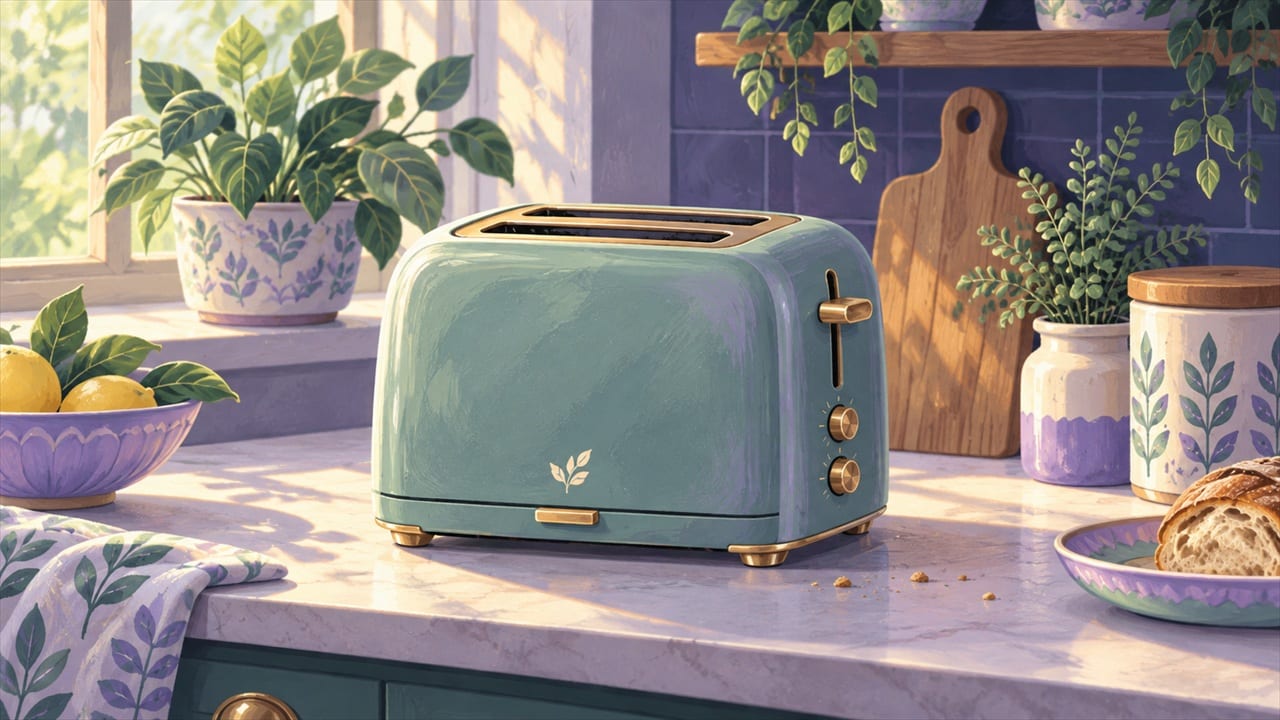
A toaster sits on the counter, it works, and the outside usually looks clean enough, so it rarely gets a second thought. But the part that matters most is the part you can't see.
Every slice of bread drops a few crumbs. They fall past the wires and settle at the bottom. Then, every time you make toast, those crumbs heat up again. Over weeks and months, they dry out, darken, and burn. That's where the smoky smell comes from. And in a toaster that hasn't been cleaned in a long time, a pile of old crumbs can catch fire.
This isn't a reason to panic. It's a reason to spend five minutes on a job most people were never told about.
Start by making it safe
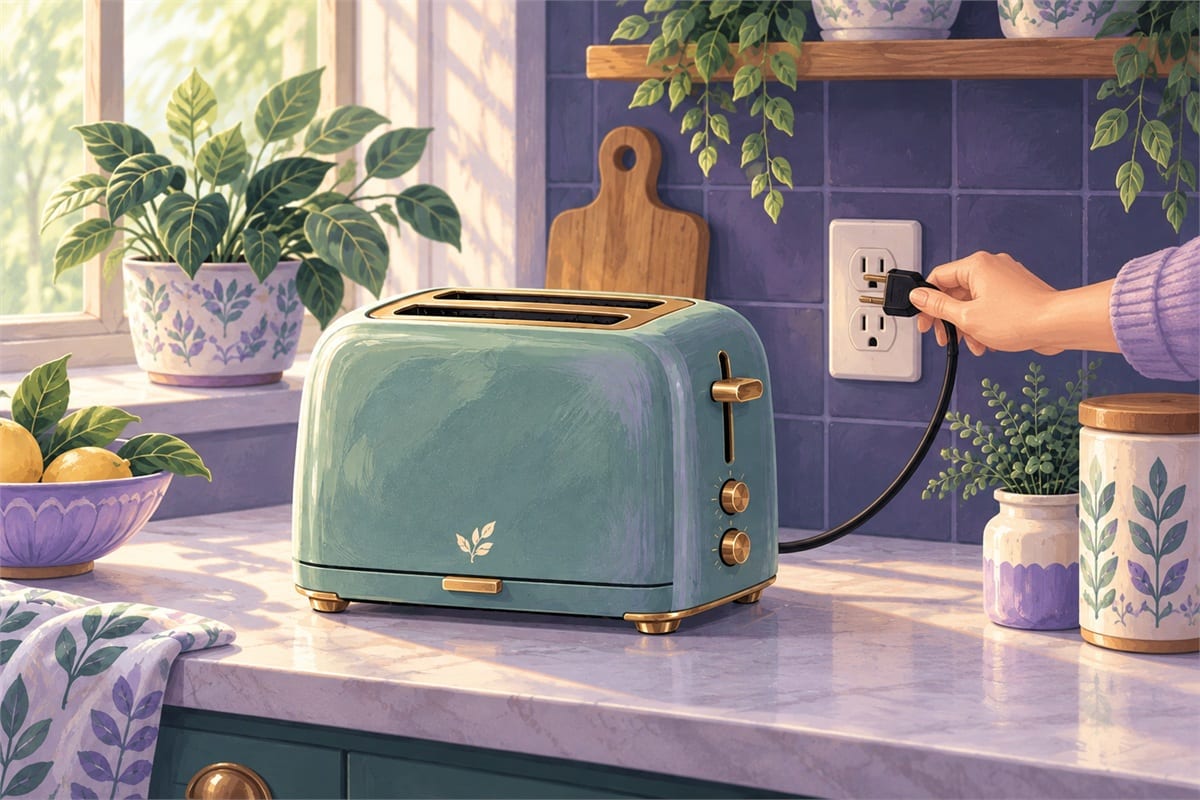
Unplug the toaster. Then wait until it's cool to the touch.
A toaster that's plugged in can still carry power, even when it's off. And the wires inside stay hot for a while after toasting. You want to clean it with calm hands, not quick ones.
Empty the crumb tray
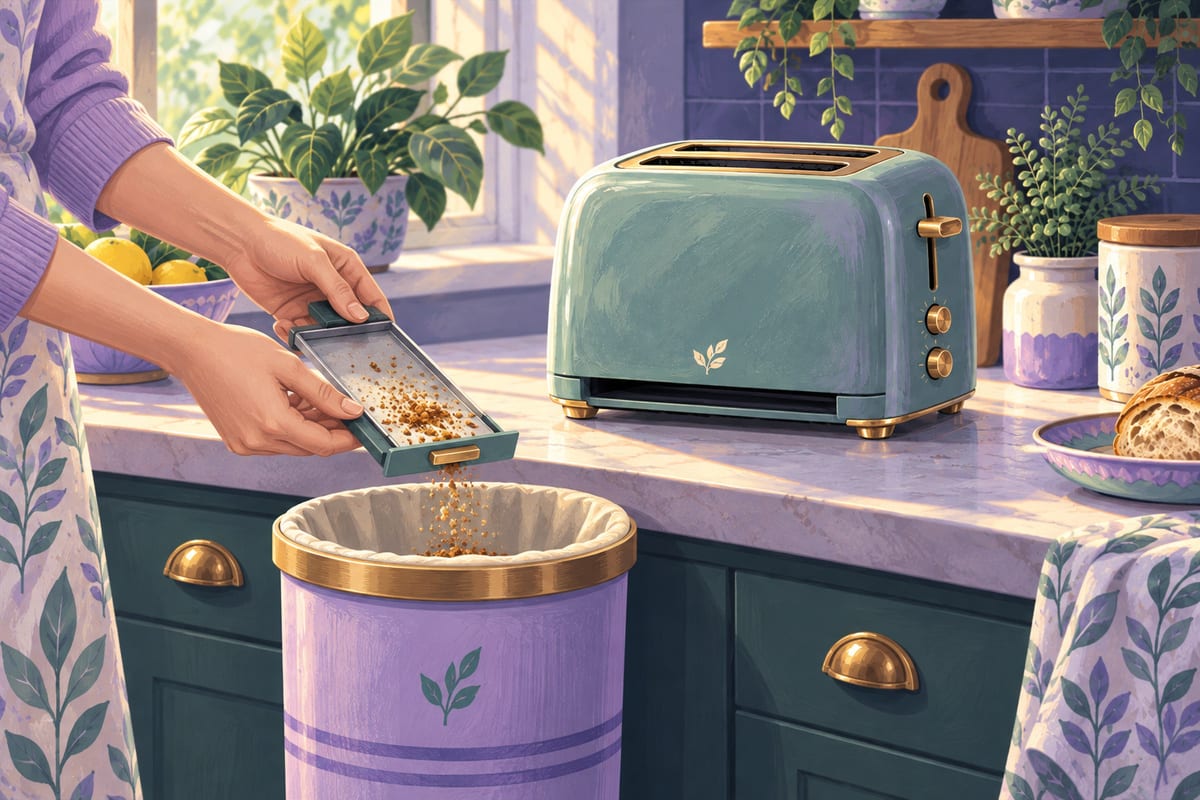
Most toasters have a small tray at the bottom that slides out. Pull it out, tip the crumbs into the trash, and wash the tray in warm, soapy water. Dry it completely before putting it back.
Some older toasters don't have a tray. That's okay. The next step does the same job.
The tray is where most crumbs land. Emptying it is the single most useful thing you can do.
Shake out the rest
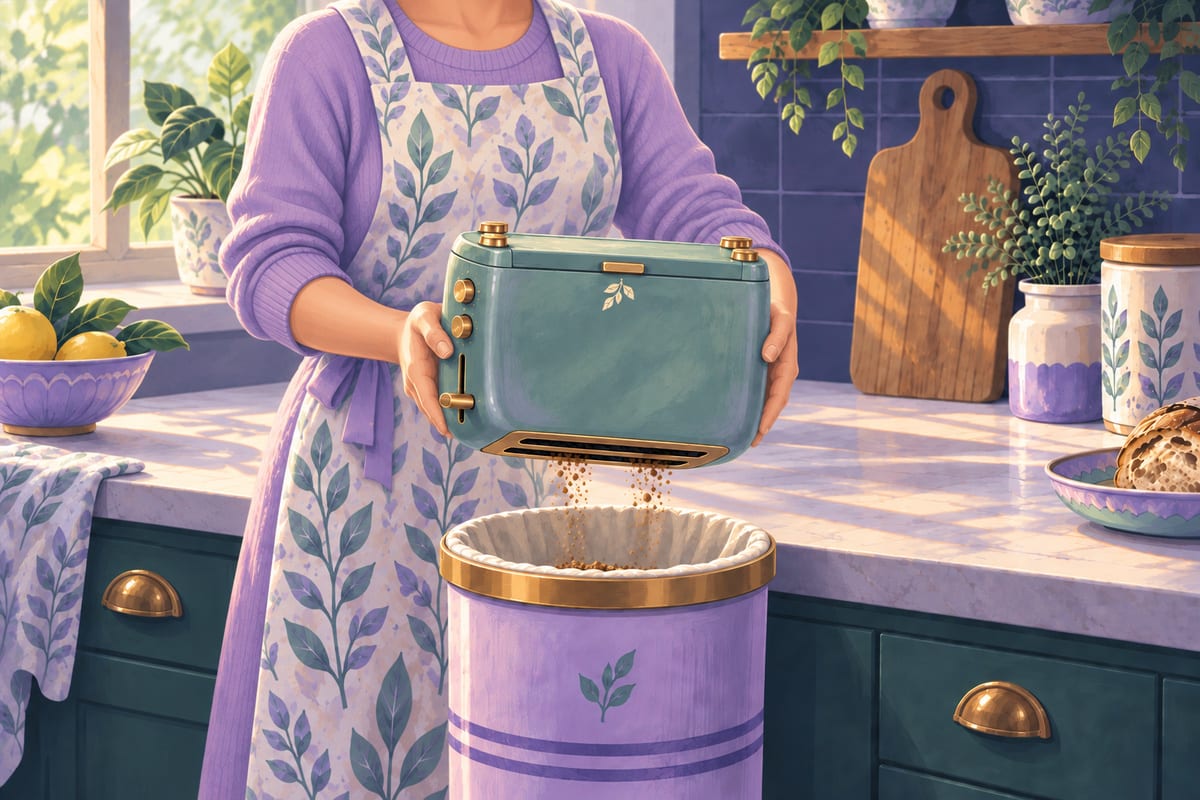
Hold the toaster upside down over the trash or the sink. Gently shake it or tap the sides. You'll likely be surprised how much falls out.
Be gentle. The thin wires inside are the heating elements, and they can bend or break.
Crumbs don't all land in the tray. Some get stuck in corners and along the bottom edges.
Brush out what's stuck
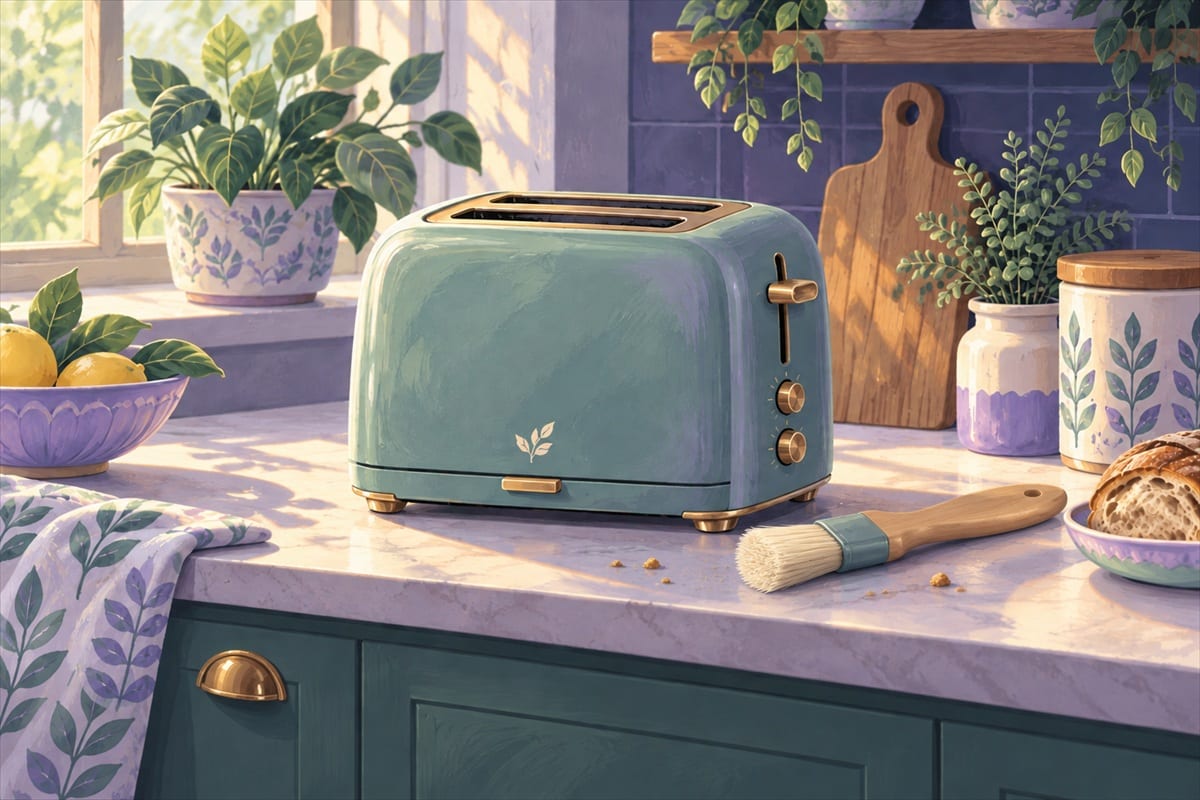
Use a dry, soft brush, like a clean pastry brush or an old toothbrush. Reach in and gently loosen any crumbs that didn't shake free. Then shake again.
Never use a fork, knife, or anything metal. Never use water inside.
Metal can damage the wires, and if the toaster is ever plugged in by mistake, it can give a serious shock. Water can stay trapped inside and cause problems later.
Wipe the outside
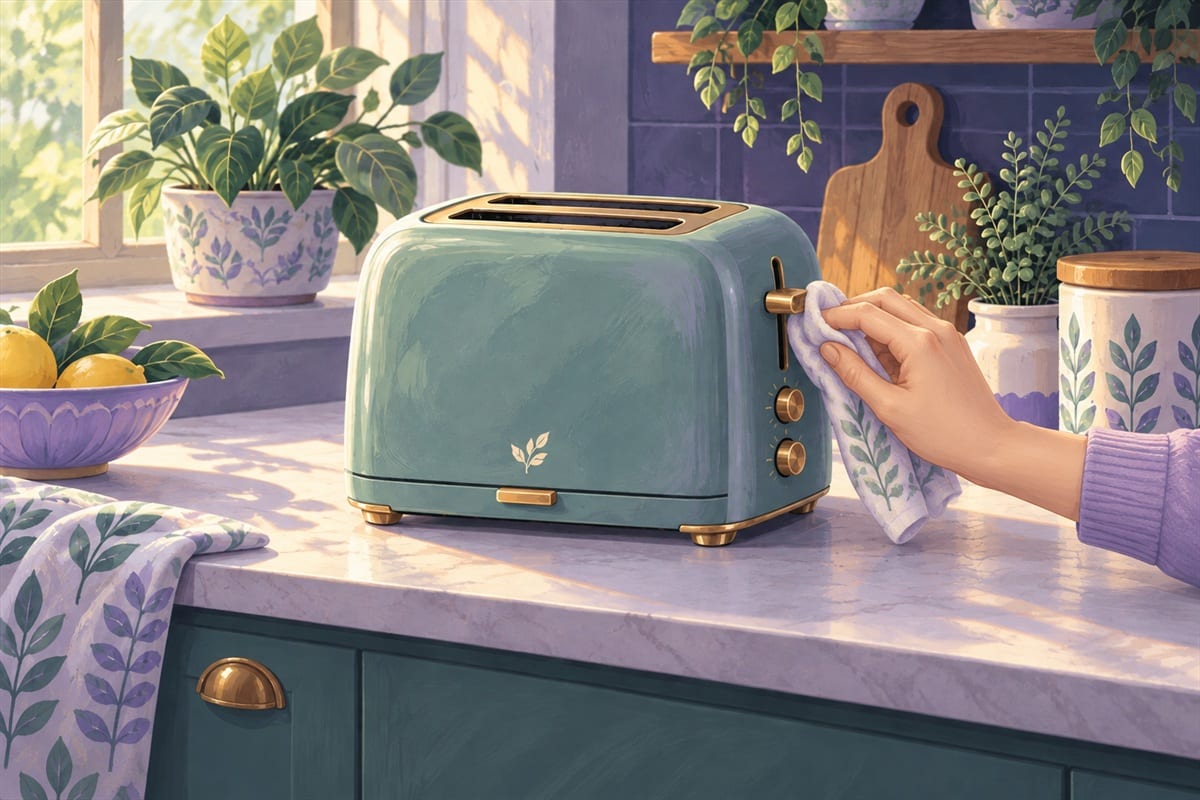
Dampen a cloth with warm water and a small drop of dish soap. Wring it out well, so it's barely wet. Wipe the outside, the lever, and the knobs, where sticky fingers leave marks. If your toaster is stainless steel, wipe in the direction of the fine lines in the metal.
The outside is what you touch every day. A damp cloth, not a wet one, cleans it without letting water drip inside.
Let it dry, then put it back
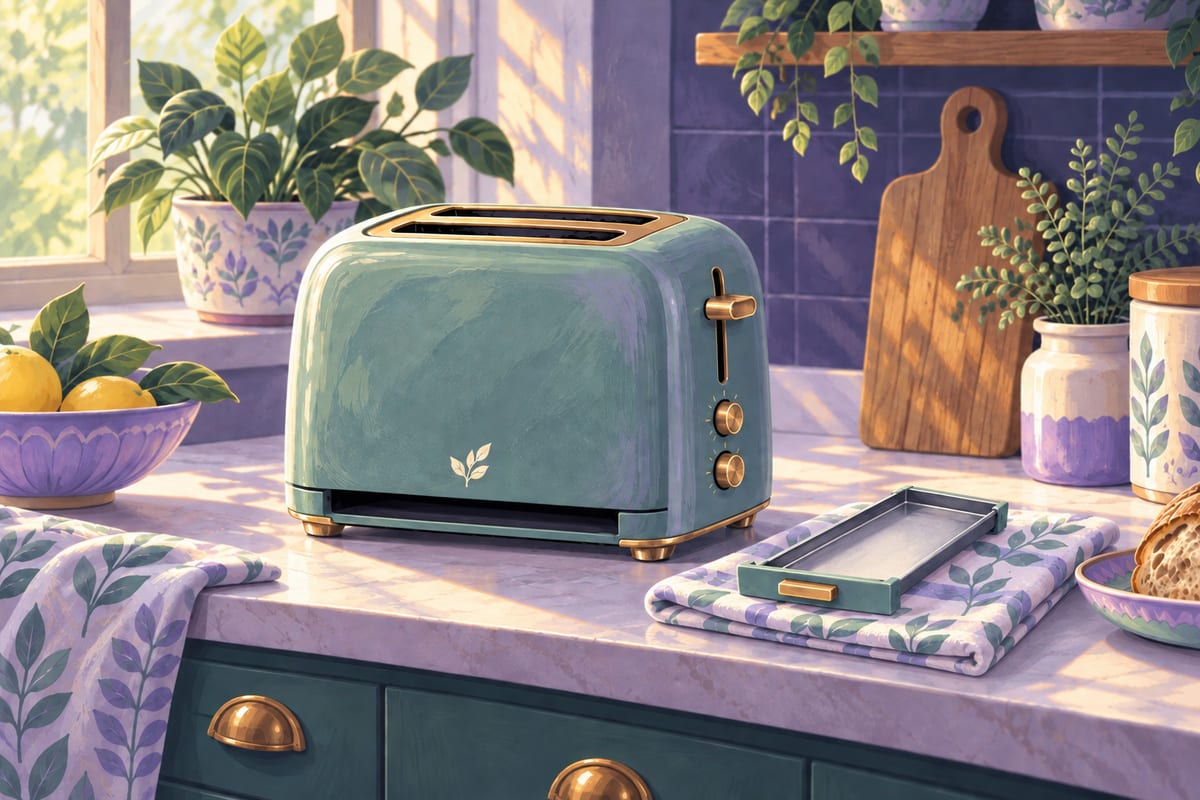
Make sure every part is fully dry, especially the tray. Slide the tray back in, return the toaster to its spot, and plug it in.
Water and the wires inside a toaster are a bad mix. A few extra minutes of drying is always worth it.
How often?
If you toast often, empty the tray about once a week. Give it a full clean about once a month. If you use it now and then, clean it whenever you notice a burnt smell or see crumbs on the counter around it.
There's no perfect schedule. The goal is simply to keep old crumbs from building up.
If today is a low-energy day
Just unplug it, let it cool, and empty the crumb tray. That's it. That one step removes most of the risk. The rest can wait.
The larger lesson
A toaster teaches something small but true: what we can't see still matters. Clean surfaces are nice. But care often means checking the hidden places too, not to make things look good, but to keep the people who use them safe.
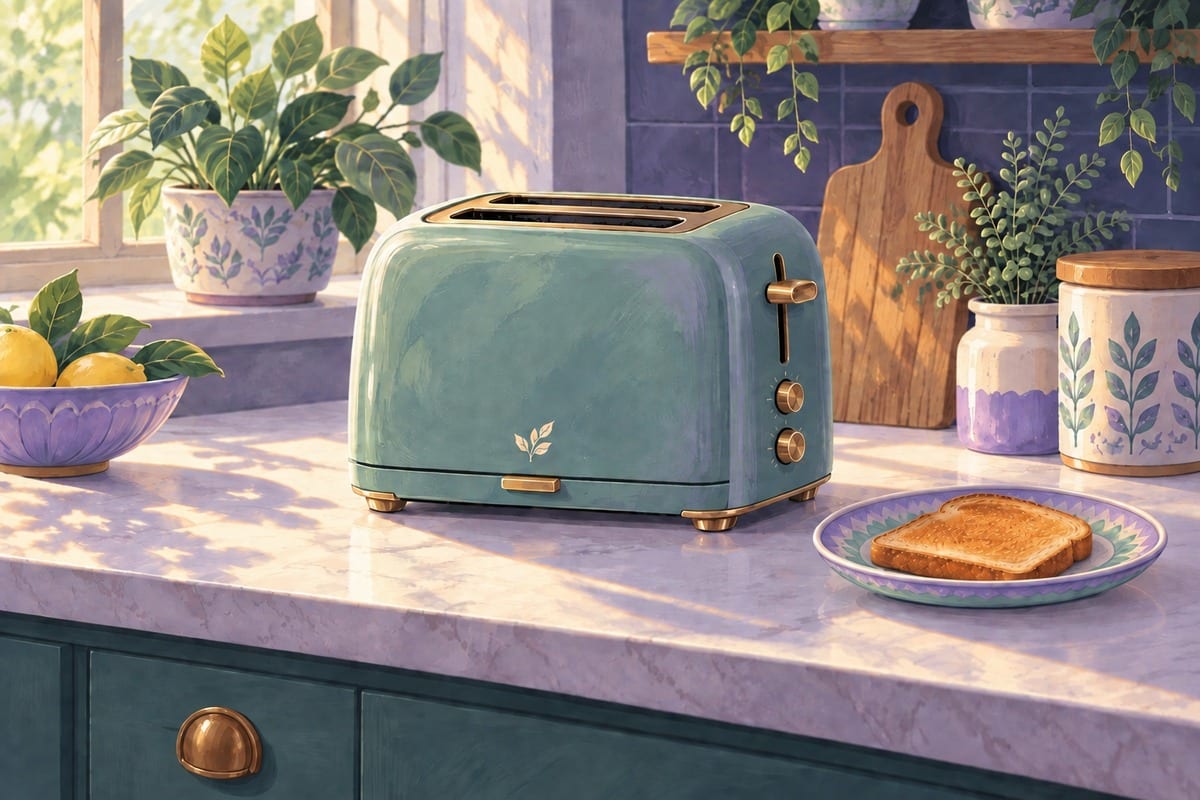
Five minutes. One small appliance. A kitchen that's a little safer than it was.