
A sealed table and a bare one need different care.
Know What's on the Wood Before You Wipe It
How to clean a wood coffee table or other wood surface safely, and why the finish decides everything.
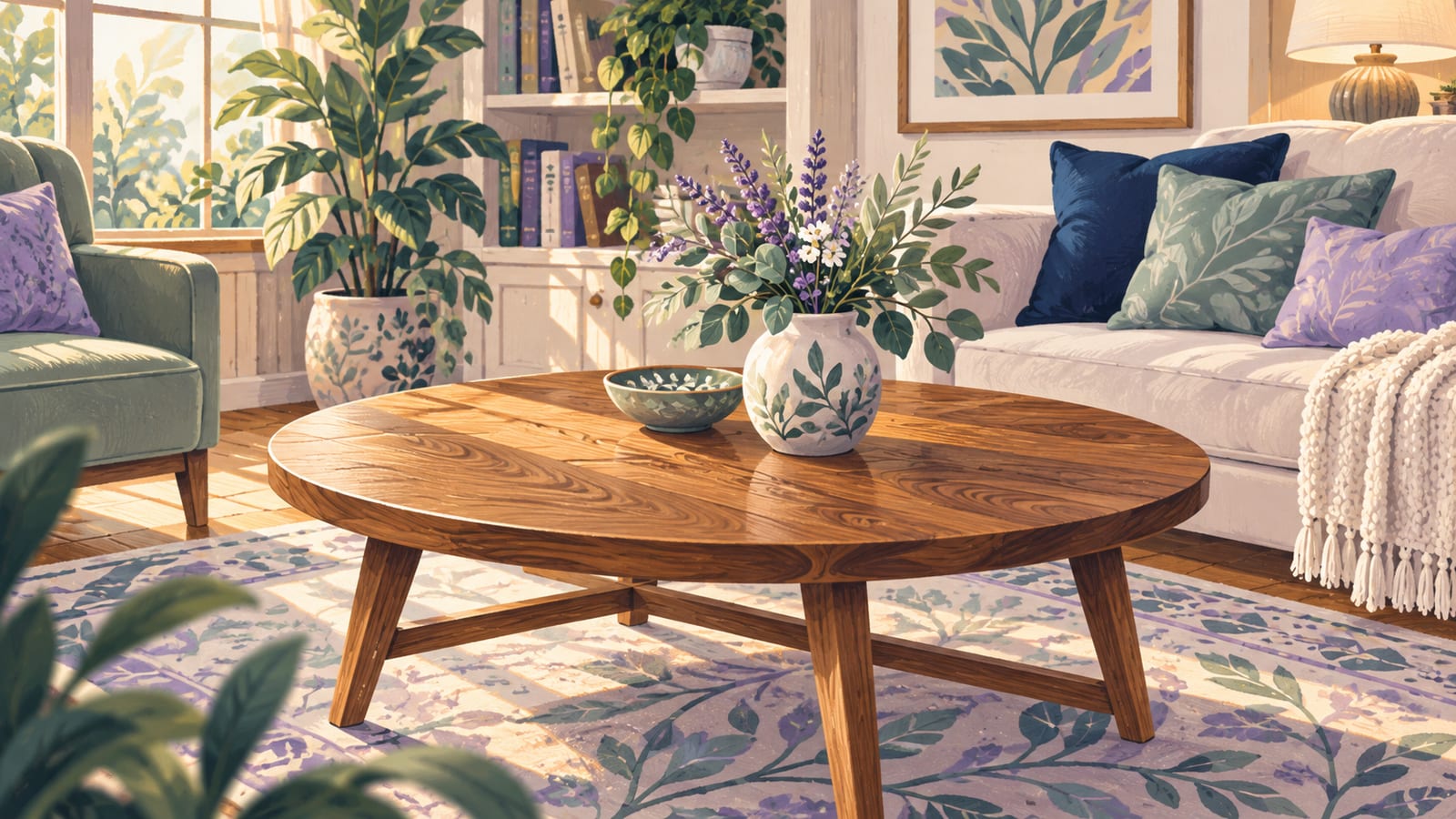
A coffee table takes on rings from cups, dust that shows in the light, and the occasional scratch, and every fix depends on one thing: whether the wood underneath has a sealed finish or not.
None of that calls for guesswork. A quick check of the finish tells you exactly what's safe to use.
Dust before you wipe anything wet
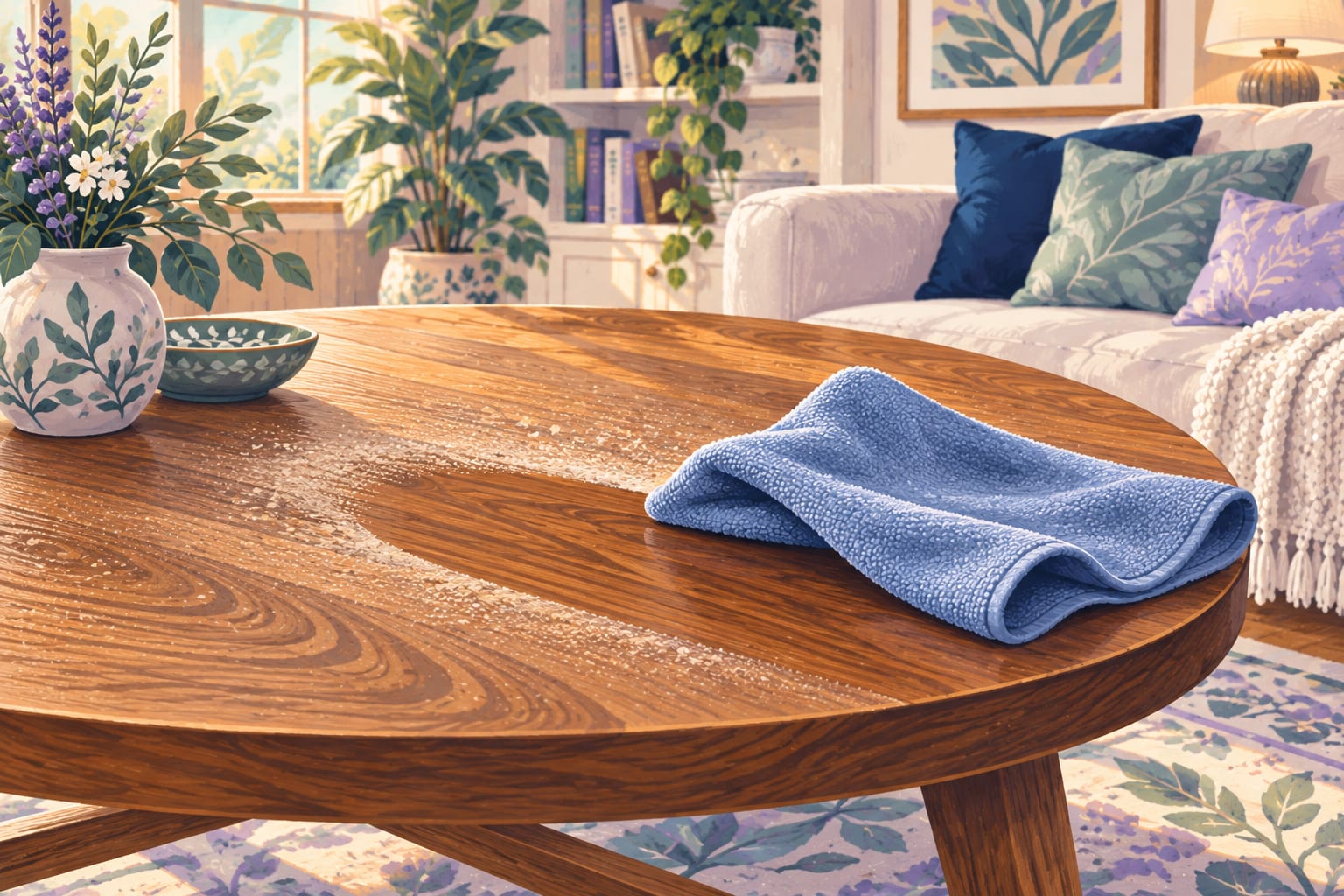
Dust the surface with a dry microfiber cloth before using any polish or cleaner.
Why? Dust particles act like fine sandpaper once a wet cloth drags them across the finish, leaving faint scratches you'll notice later in the light.
Check whether the finish is sealed
Run a fingernail lightly over a hidden edge. A sealed finish feels smooth and doesn't show a mark; bare or oiled wood feels softer and can mark more easily.
Why? A sealed finish protects the wood underneath from water, while bare or oiled wood can absorb it and stain or swell.
Wipe spills up right away
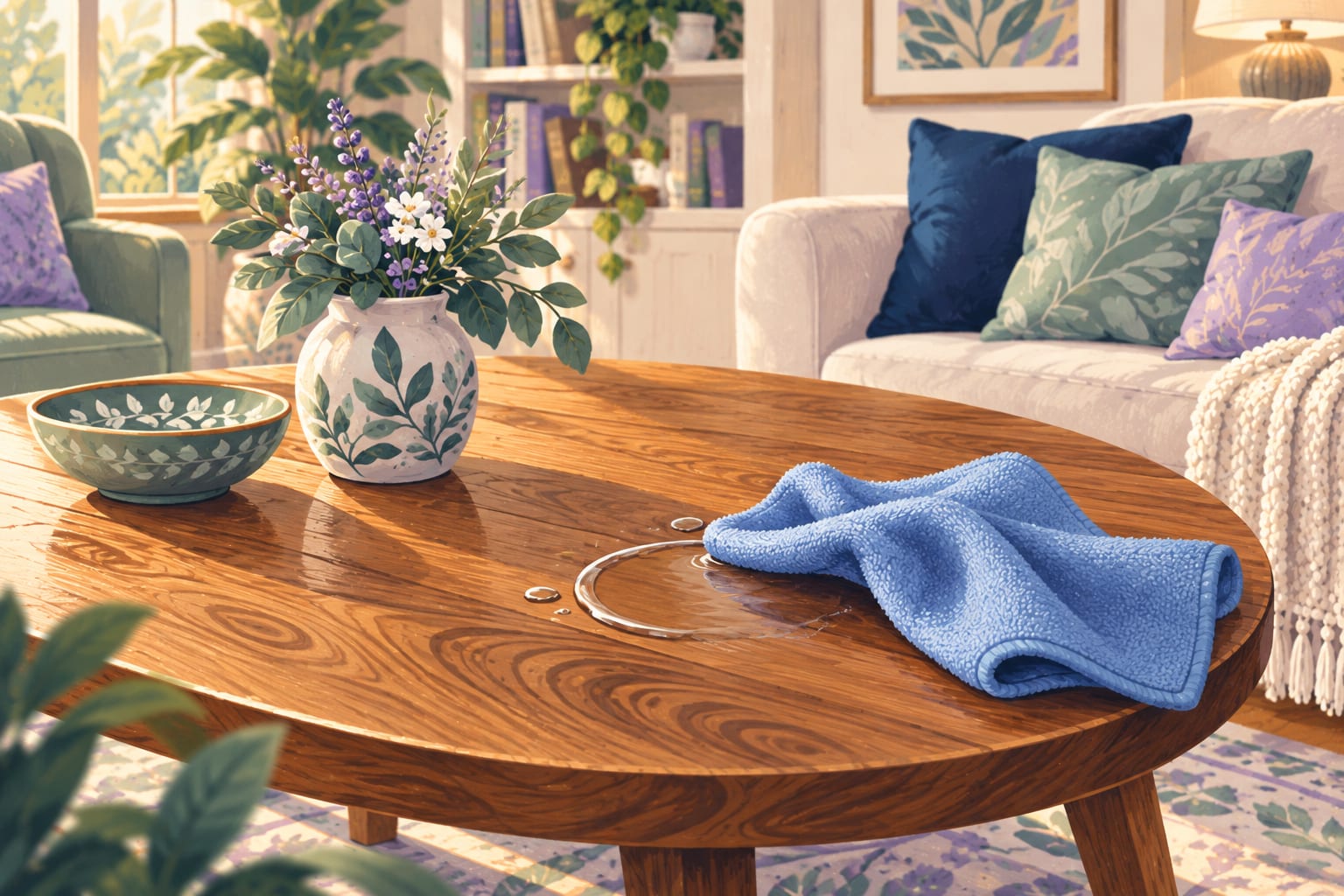
Wipe up a spill with a dry or barely damp cloth as soon as you notice it.
Why? A ring forms when liquid sits long enough to seep past the finish. Acting fast is what actually prevents the mark, more than any product afterward.
Use a cleaner made for wood, not an all-purpose spray
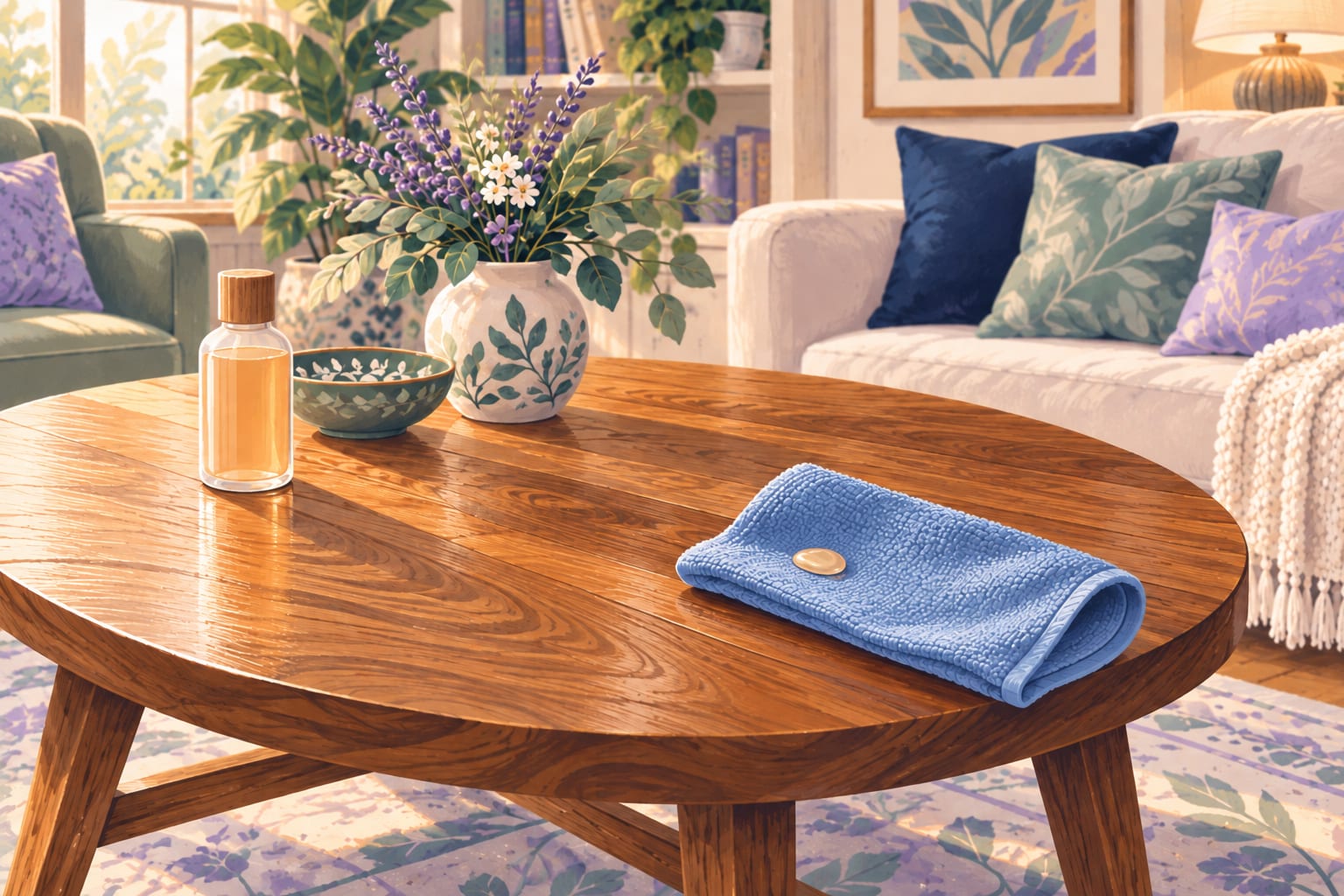
Apply a wood cleaner or polish to the cloth, not directly to the table, and wipe with the grain.
Why? Many all-purpose cleaners are too alkaline or too wet for a wood finish and can dull it or leave a cloudy film over time.
Let the rag dry flat outdoors, never balled up
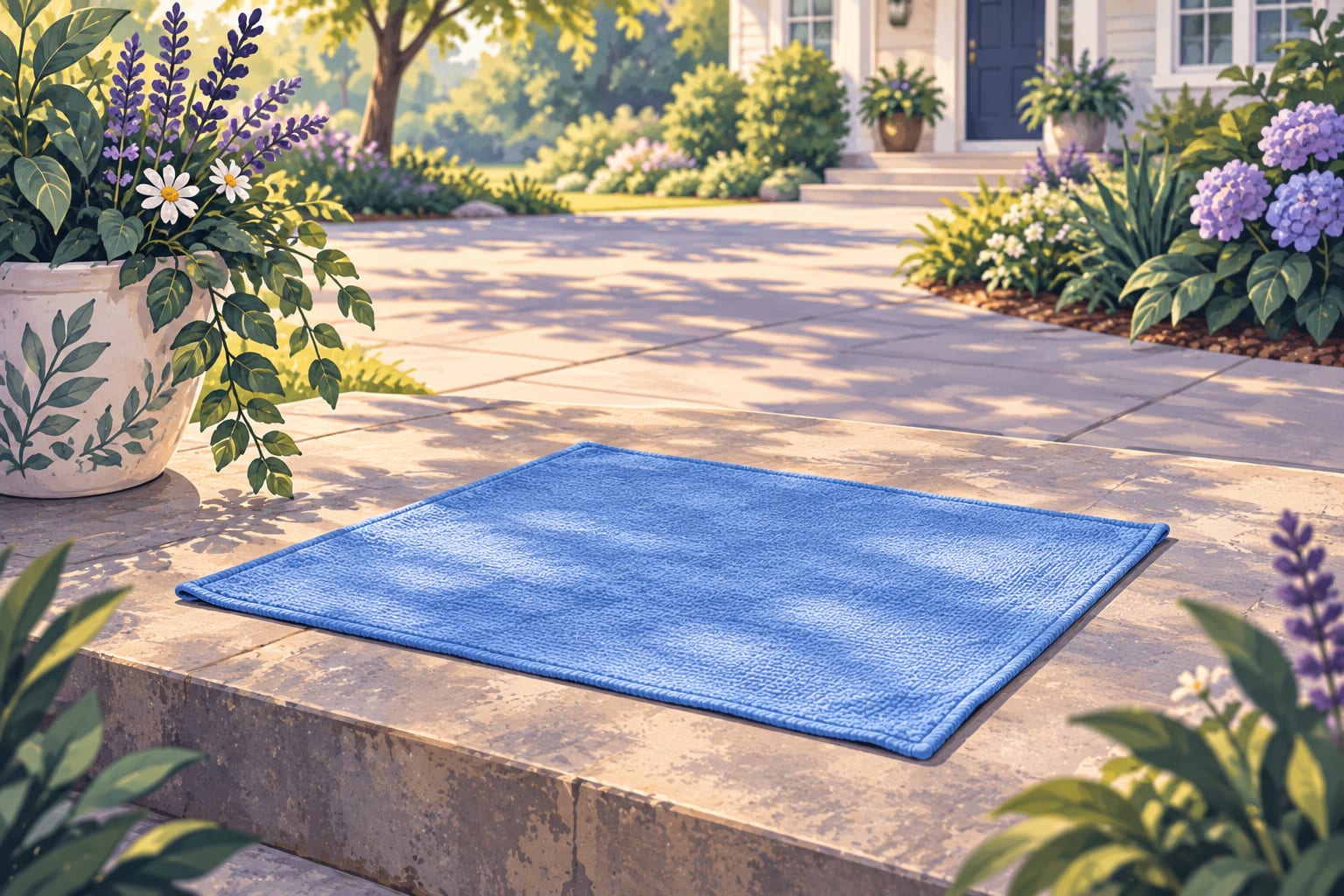
After polishing, lay the cloth flat outside to dry completely, or soak it in water in a sealed metal container, before throwing it away.
Why? A rag with oil-based polish or stain can heat up and catch fire on its own if it's balled up in a trash can. Drying it flat, away from the house, lets that heat escape safely.
If today's a low-energy day
Just dust the surface today and wipe up anything spilled. That's enough for now.
The larger lesson
Wood asks for less than people think: know the finish, act fast on spills, and respect what a leftover rag can do on its own.
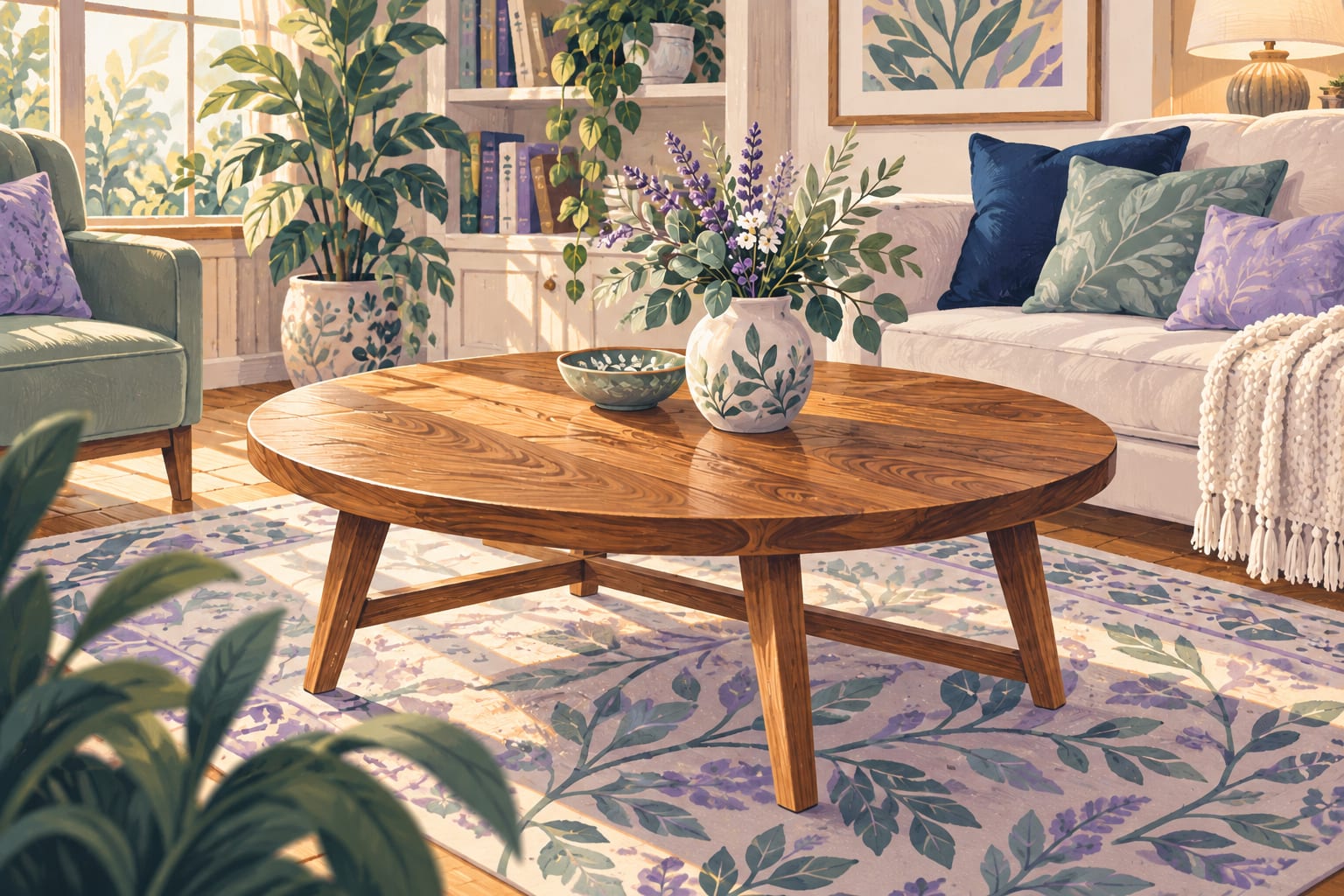
The finish decides more about a wood table's care than any product on the shelf.