
Vinyl and laminate look waterproof on top, but not at the seams.
Water Finds the Seams
How to clean a vinyl or laminate floor without swelling the edges.
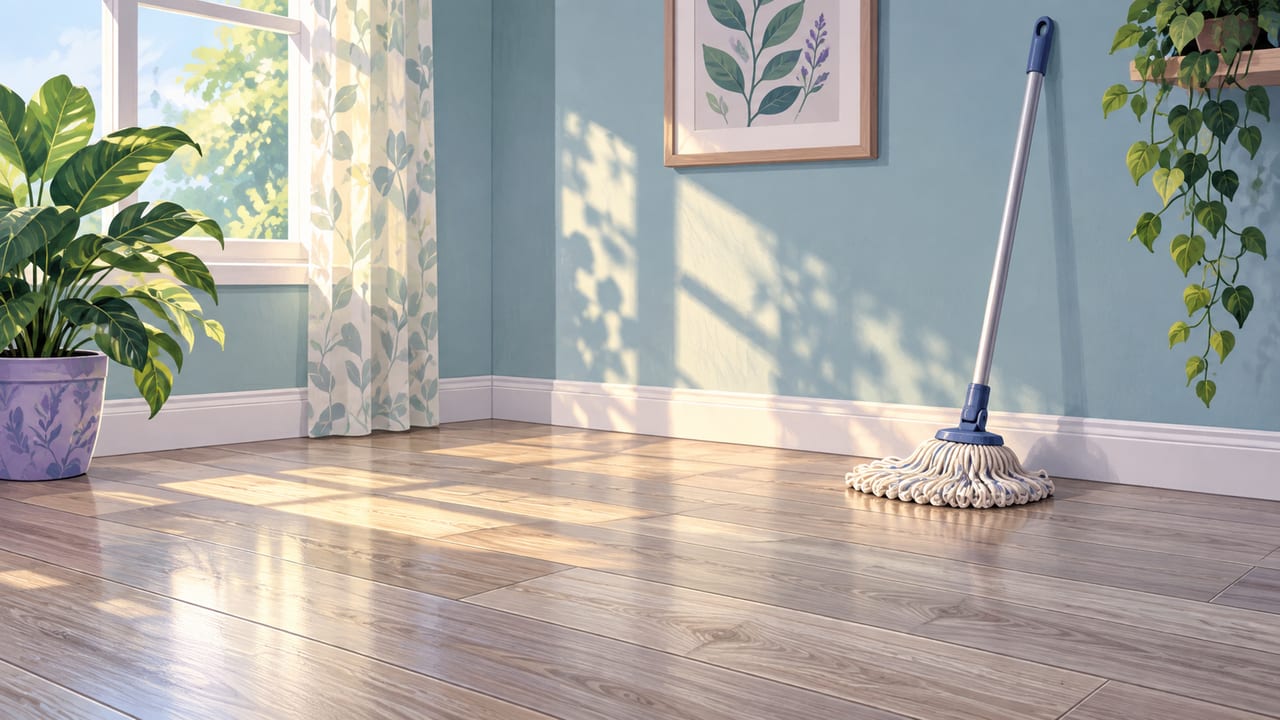
Vinyl and laminate look tough, and the top of them is. The trouble is at the seams, where water can slip in and make the edges swell.
So the whole job comes down to keeping the water where it belongs: barely any on the mop, and none left standing.
Sweep first
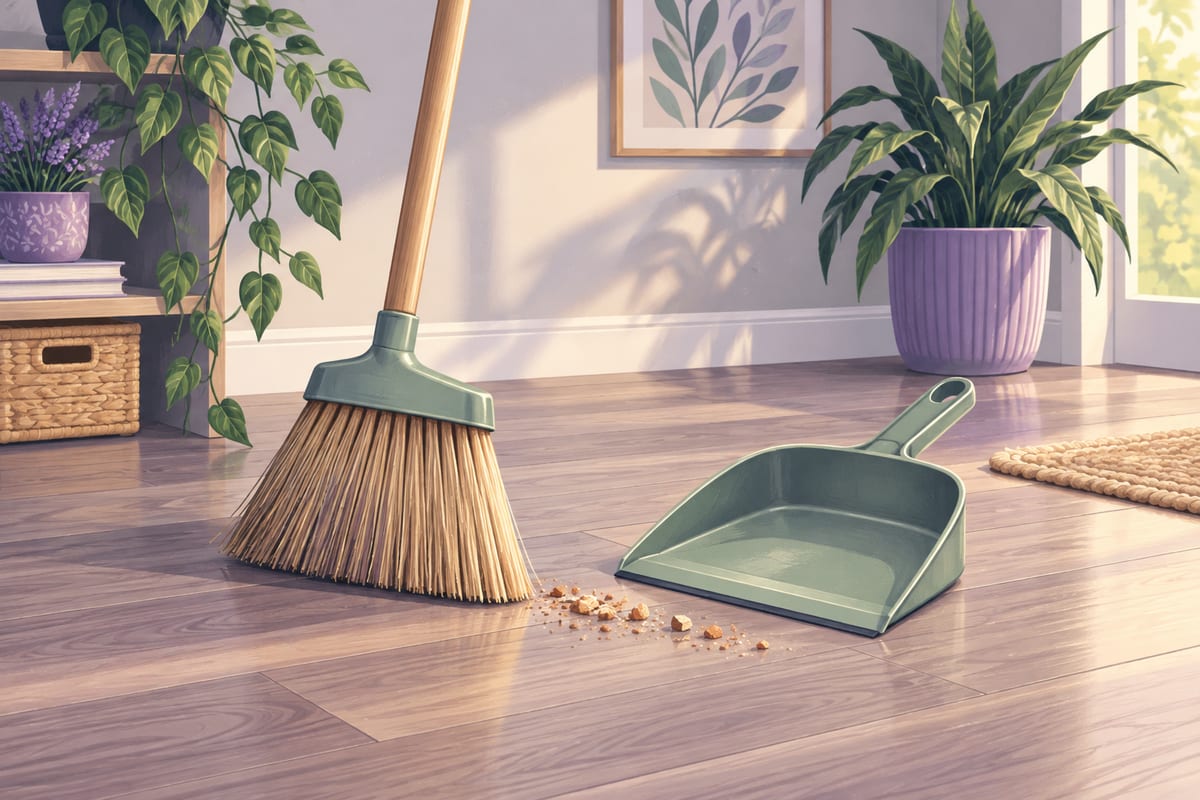
Sweep, or vacuum with the hard-floor setting, along the edges as well as the middle.
Grit dulls the surface when a mop drags it around. Pick it up first, and the mop has less to do.
Wring the mop until it is barely damp
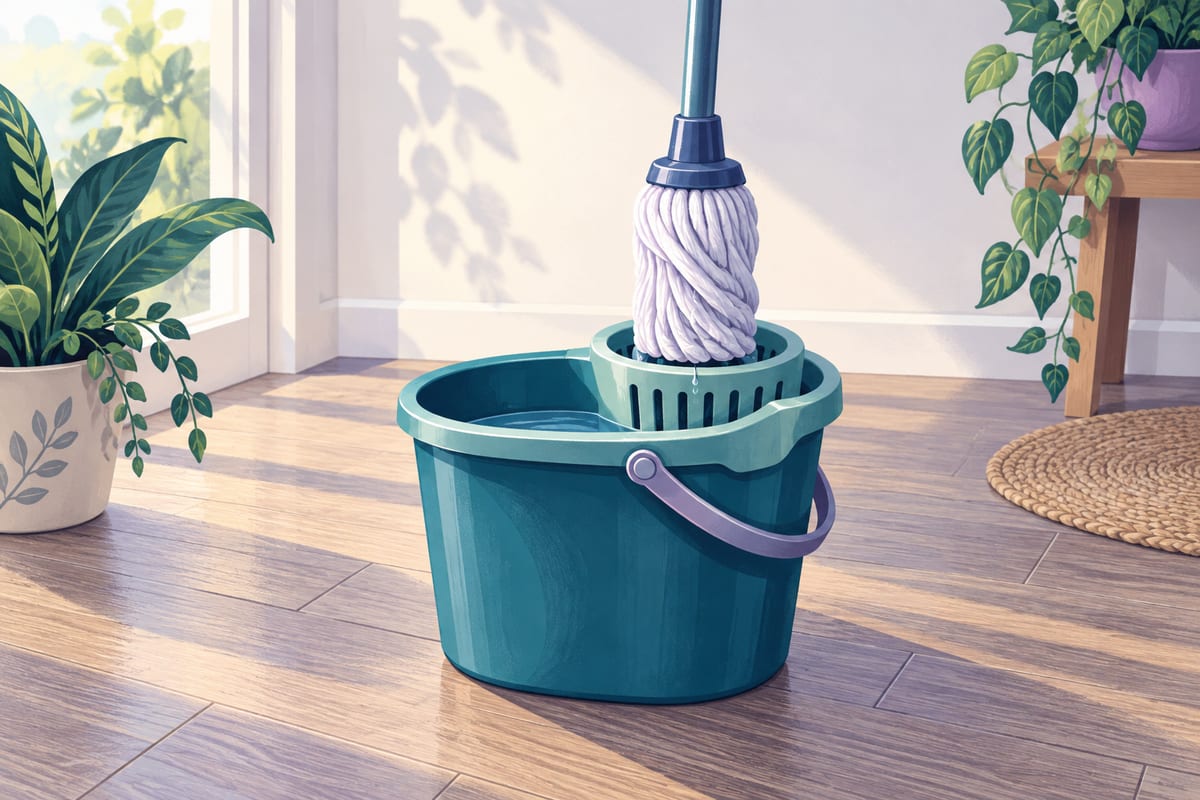
Mop with a mop wrung out until it is barely damp, working away from the door, then let the floor dry before walking on it.
A barely damp mop leaves a thin film that dries quickly, and the seams stay dry.
Skip the steam mop and the rough pad
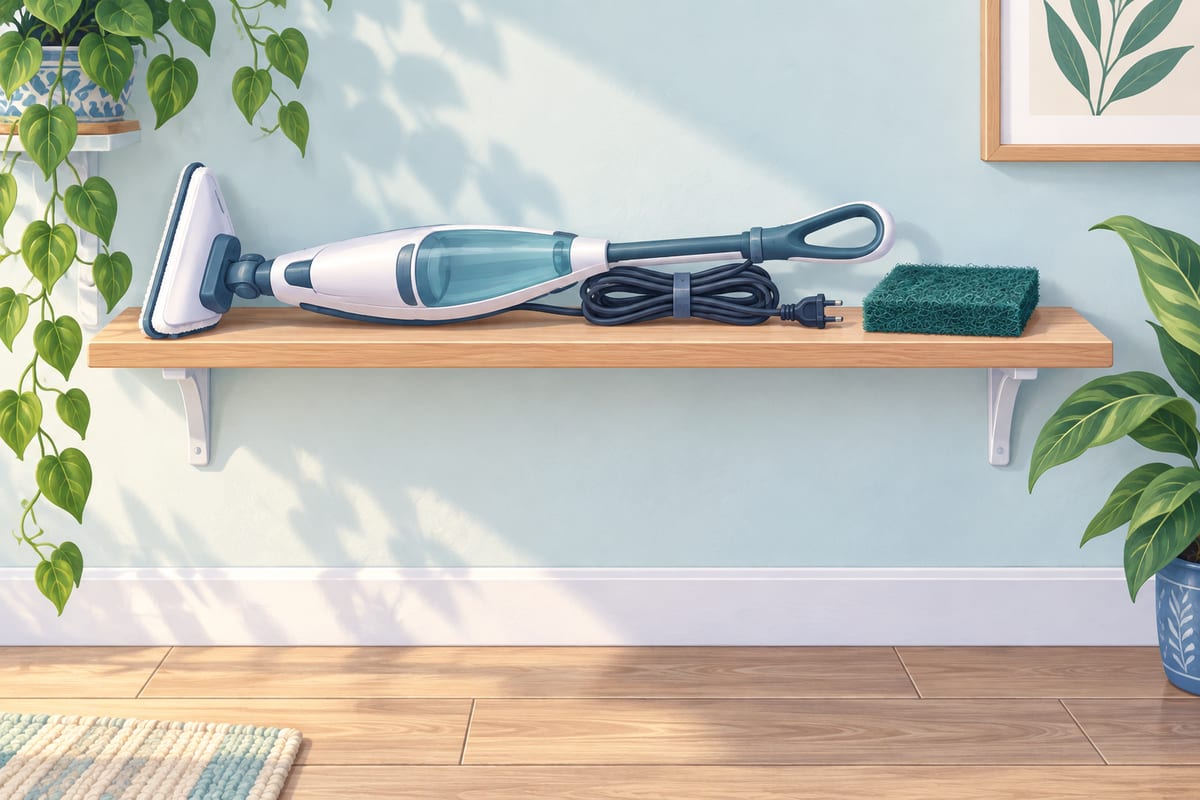
Don't use a steam mop, and don't scrub with a rough pad.
Steam forces water into the seams, and a rough pad dulls the surface.
Don't let water pool
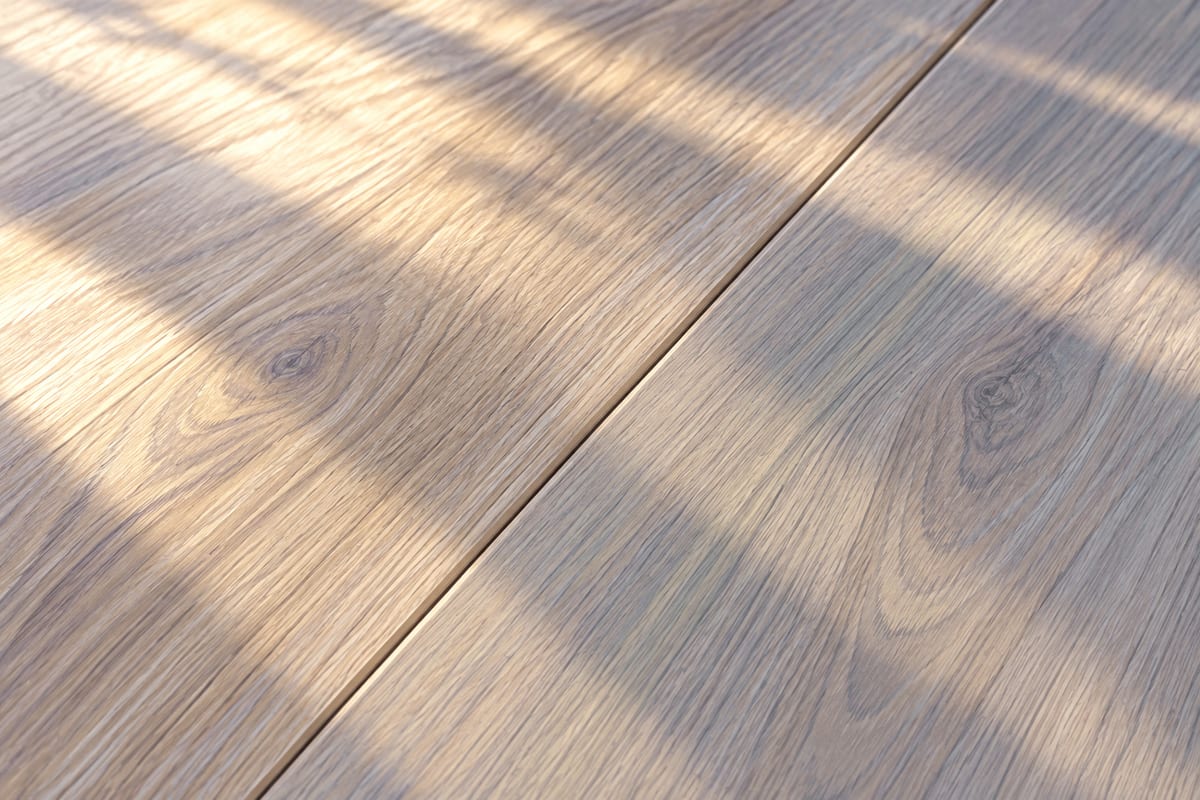
If water spills, wipe it up right away, and let the floor dry before you walk on it.
Get underneath, then finish at the baseboards
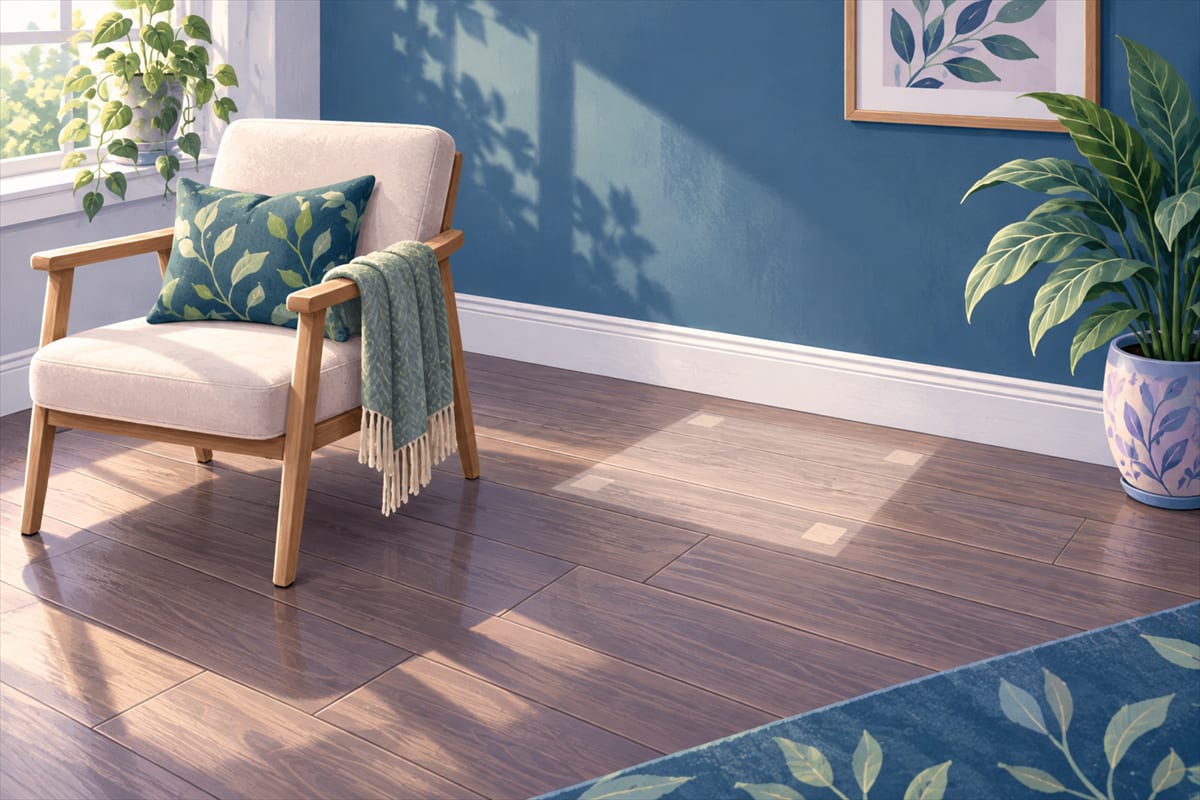
Move the lighter furniture and clean underneath. Then wipe along the baseboards.
Dust and crumbs collect under furniture and along the edges, where the broom skips.
Short on energy?
Just sweep the floor. That's enough for today.
The larger lesson
Vinyl and laminate don't fail from dirt. They fail at the seams, from water that never dried. Less water and a quick dry keep the edges flat for years.
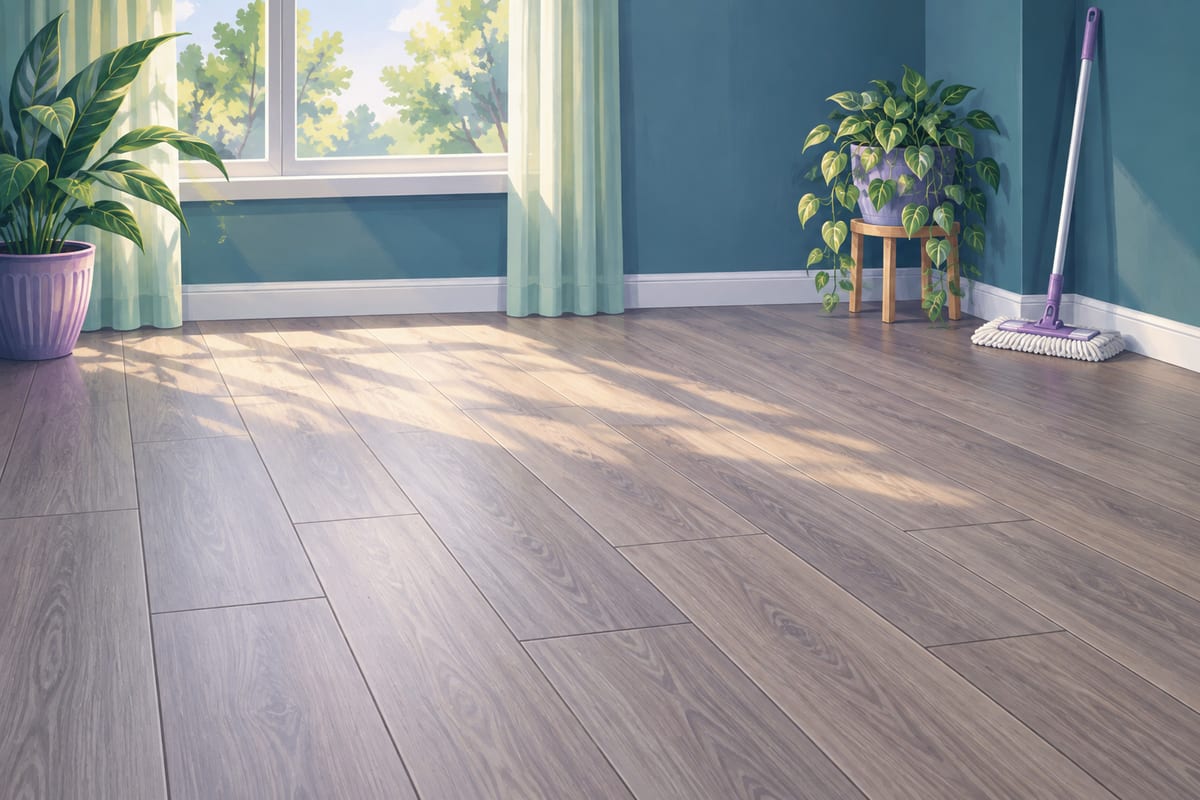
A little water, wiped away, is all it takes.